Supreme Court Won’t Hear Challenge to a lobster GPS monitoring case, citing concerns over unreasonable search. The case was brought by a Maine lobsterman who argued that the mandate amounts to an unreasonable search of private vessels. This decision has significant implications for the fishing industry and raises questions about the balance between regulation and individual rights. The Supreme Court Won’t Hear Challenge has been a topic of discussion among fishing industry stakeholders and civil liberties groups, with some arguing that the regulation is necessary to ensure the sustainability of lobster fisheries, while others have raised concerns about the impact on individual rights and the potential for abuse of power.
Key Takeaways
- The US Supreme Court has refused to hear a challenge to a lobster GPS monitoring case, in a decision that has been termed as Supreme Court Won’t Hear Challenge
- The case was brought by a Maine lobsterman who argued that the mandate amounts to an unreasonable search of private vessels
- The decision has significant implications for the fishing industry and raises questions about the balance between regulation and individual rights
Background of the Supreme Court Won’t Hear Challenge
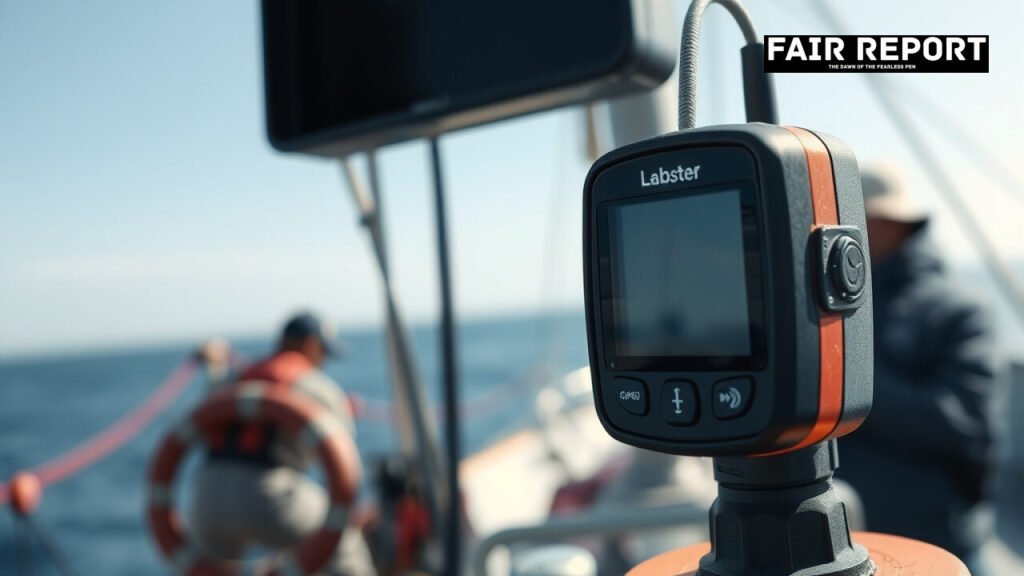
The lobster GPS monitoring case was brought by a Maine lobsterman who argued that the mandate amounts to an unreasonable search of private vessels. The lobsterman claimed that the regulation, which requires lobster boats to be equipped with GPS tracking devices, violates his Fourth Amendment rights. The Supreme Court Won’t Hear Challenge to this case has been seen as a significant development in the ongoing debate about the balance between regulation and individual rights in the fishing industry.
Implications of the Supreme Court Won’t Hear Challenge
The US Supreme Court’s decision not to hear the case has significant implications for the fishing industry. The regulation, which was implemented to help track and manage lobster fisheries, will remain in place. This means that lobster boats will continue to be required to be equipped with GPS tracking devices, which will provide data on their location and activities. For more information on the fishing industry, please visit our page on fishing industry regulations.
Reaction to the Supreme Court Won’t Hear Challenge
The decision has been met with mixed reaction from the fishing industry and civil liberties groups. Some have argued that the regulation is necessary to ensure the sustainability of lobster fisheries, while others have raised concerns about the impact on individual rights and the potential for abuse of power. The Supreme Court Won’t Hear Challenge has also raised questions about the role of the judiciary in balancing individual rights and regulatory requirements. To learn more about the judiciary’s role in environmental regulation, please visit our page on environmental regulation and the law.
What’s Next After the Supreme Court Won’t Hear Challenge
The US Supreme Court’s decision not to hear the case means that the regulation will remain in place. However, the issue is likely to continue to be debated and may be the subject of future legal challenges. As the fishing industry and regulators continue to navigate the complexities of balancing regulation and individual rights, it is likely that we will see further developments in this area. The Supreme Court Won’t Hear Challenge has highlighted the need for ongoing dialogue and collaboration between industry stakeholders, regulators, and civil liberties groups to ensure that the rights of all parties are protected. For more information on the importance of collaboration in regulatory development, please visit our page on regulatory development and collaboration.
The Supreme Court Won’t Hear Challenge has significant implications for the fishing industry, and it is essential to understand the context and background of the case. The lobster GPS monitoring case was brought by a Maine lobsterman who argued that the mandate amounts to an unreasonable search of private vessels. The lobsterman claimed that the regulation, which requires lobster boats to be equipped with GPS tracking devices, violates his Fourth Amendment rights. The Supreme Court Won’t Hear Challenge to this case has been seen as a significant development in the ongoing debate about the balance between regulation and individual rights in the fishing industry.
The US Supreme Court’s decision not to hear the case has significant implications for the fishing industry. The regulation, which was implemented to help track and manage lobster fisheries, will remain in place. This means that lobster boats will continue to be required to be equipped with GPS tracking devices, which will provide data on their location and activities. The Supreme Court Won’t Hear Challenge has also raised questions about the role of the judiciary in balancing individual rights and regulatory requirements.
The decision has been met with mixed reaction from the fishing industry and civil liberties groups. Some have argued that the regulation is necessary to ensure the sustainability of lobster fisheries, while others have raised concerns about the impact on individual rights and the potential for abuse of power. The Supreme Court Won’t Hear Challenge has also highlighted the need for ongoing dialogue and collaboration between industry stakeholders, regulators, and civil liberties groups to ensure that the rights of all parties are protected.
The Supreme Court Won’t Hear Challenge has significant implications for the fishing industry, and it is essential to understand the context and background of the case. The lobster GPS monitoring case was brought by a Maine lobsterman who argued that the mandate amounts to an unreasonable search of private vessels. The lobsterman claimed that the regulation, which requires lobster boats to be equipped with GPS tracking devices, violates his Fourth Amendment rights. The Supreme Court Won’t Hear Challenge to this case has been seen as a significant development in the ongoing debate about the balance between regulation and individual rights in the fishing industry.
The US Supreme Court’s decision not to hear the case means that the regulation will remain in place. However, the issue is likely to continue to be debated and may be the subject of future legal challenges. As the fishing industry and regulators continue to navigate the complexities of balancing regulation and individual rights, it is likely that we will see further developments in this area. The Supreme Court Won’t Hear Challenge has highlighted the need for ongoing dialogue and collaboration between industry stakeholders, regulators, and civil liberties groups to ensure that the rights of all parties are protected. For more information on the fishing industry and regulatory developments, please visit our page on fishing industry regulations and news.
the Supreme Court Won’t Hear Challenge has significant implications for the fishing industry, and it is essential to understand the context and background of the case. The lobster GPS monitoring case was brought by a Maine lobsterman who argued that the mandate amounts to an unreasonable search of private vessels. The lobsterman claimed that the regulation, which requires lobster boats to be equipped with GPS tracking devices, violates his Fourth Amendment rights. The Supreme Court Won’t Hear Challenge to this case has been seen as a significant development in the ongoing debate about the balance between regulation and individual rights in the fishing industry. For more information on the Supreme Court and its decisions, please visit our page on Supreme Court decisions and analysis.
Frequently Asked Questions
What is the lobster GPS monitoring case about?
The lobster GPS monitoring case is about a Maine lobsterman who challenged a regulation that requires lobster boats to be equipped with GPS tracking devices, arguing that it amounts to an unreasonable search of private vessels.
Why did the US Supreme Court refuse to hear the case?
The US Supreme Court refused to hear the case, citing concerns over unreasonable search.
What are the implications of the US Supreme Court's decision?
The decision has significant implications for the fishing industry and raises questions about the balance between regulation and individual rights.
Sources
- SeafoodSource: US Supreme Court won’t hear challenge to lobster GPS monitoring case
- IntraFish: Supreme Court won't hear challenge to GPS vessel monitoring regulations
- WGME: Supreme Court won't hear Maine lobsterman's GPS challenge
- newscentermaine.com: US Supreme Court declines to hear challenge to Maine lobster boat tracking rule
- fox23maine.com: Supreme Court won't hear Maine lobsterman's GPS challenge