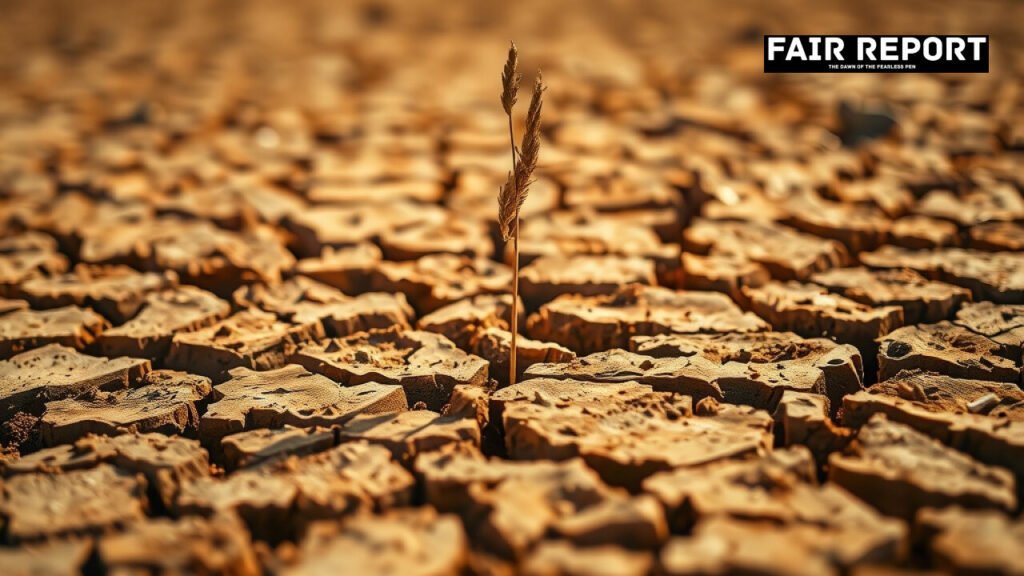
The state government of Rajasthan has officially declared 80 blocks across 14 Rajasthan drought districts as water-scarce regions following a weak monsoon season. According to reports from the Hindustan Times and the Free Press Journal, the state experienced a 17 per cent rainfall deficit compared to normal seasonal averages. Authorities confirmed that out of the 80 affected tehsils, 69 are dealing with severe drought conditions that require targeted government relief. This official notification provides the legal and administrative framework for deploying emergency disaster management funds, mobilizing water tankers, and establishing comprehensive support infrastructure across the vulnerable rural landscape.
Key Takeaways
- 80 tehsils across 14 districts in Rajasthan have been officially declared drought-hit.
- The state recorded an overall 17 per cent deficit in total seasonal rainfall during the monsoon season.
- 69 blocks are classified under severe drought status, requiring immediate government intervention.
- Western districts, including Jalore and Jodhpur, are among the hardest hit regions.
- State relief departments are rolling out emergency measures for agriculture, livestock, and drinking water.
- Special crop assessment surveys (Girdawari) are underway to distribute financial compensation to affected farmers.
Widespread Impact Across Rajasthan Drought Districts
The shortfall in monsoon rains has hit western and central parts of Rajasthan particularly hard. Reports from regional outlets note that Jalore and Jodhpur are among the worst-affected areas, where prolonged dry spells disrupted agricultural sowing and severely depleted groundwater tables. The declaration covers 80 tehsils spread across 14 distinct administrative districts, signaling a major setback for rural livelihoods before the upcoming winter farming cycle.
With 69 blocks designated under severe drought status, regional authorities are actively assessing the physical extent of crop damage across thousands of hectares. Rural households in these areas face heightened stress due to dwindling village reservoir levels, reduced drinking water availability, and widespread shortages of green fodder for livestock. The official drought notification enables local administrations to unlock State Disaster Response Fund (SDRF) reserves, streamline resource allocation, and prioritize daily water delivery to rural hamlets.
The geographical distribution of the affected areas highlights a growing vulnerability to climatic fluctuations in the arid and semi-arid zones of Rajasthan. Soil moisture levels in these western districts have dropped significantly, making land preparation for subsequent agricultural seasons extremely difficult for local farming communities.
Rainfall Deficit and Agricultural Challenges
Rajasthan relies heavily on seasonal monsoon precipitation to sustain its rainfed Kharif crops, such as bajra (pearl millet), guar, pulses, sesame, and oilseeds. A 17 per cent rainfall deficit creates compounding issues for farming communities that are already managing fragile, dryland ecosystems. In regions where monsoon spells were erratic or arrived late, standing crop yields have dropped significantly, leaving small and marginal farmers under acute financial pressure.
| Category | Details / Statistics |
|---|---|
| Total Affected Tehsils | 80 Blocks |
| Districts Covered | 14 Districts |
| Severe Drought Blocks | 69 Blocks |
| Moderate Drought Blocks | 11 Blocks |
| Overall Rainfall Deficit | 17 Per Cent Below Normal |
| Worst-Hit Regions | Jalore, Jodhpur, and surrounding western belts |
| Primary Affected Crops | Bajra, Pulses, Guar, and Oilseeds |
The timing of the rainfall shortage played a critical role in the severity of the agricultural impact. A lack of timely rain during critical vegetative growth stages led to widespread crop wilting and stunt development. Agricultural experts note that rainfed farming zones without access to canal network connections have suffered the most severe yield losses, with some villages reporting complete crop failures across non-irrigated holdings.
Livestock and Fodder Crisis in Arid Zones
Beyond crop losses, the lack of adequate monsoon rainfall threatens pastoral communities and animal husbandry, which form the backbone of the rural economy in western Rajasthan. Pastoralists depend heavily on common grazing lands and pasture grounds, which failed to regenerate due to poor precipitation during the monsoon months.
To prevent distress migration of livestock, the emergency drought declaration serves as the legal foundation for establishing cattle shelters (Gaushalas) and organizing subsidized fodder distribution camps across the 14 designated Rajasthan drought districts. Animal husbandry departments are also preparing vaccination drives and setting up mobile veterinary units to ensure that cattle health remains stable during this period of nutritional scarcity.
Government Relief and Support Measures
Following the formal declaration of drought in the 80 tehsils, state relief departments are finalizing operational plans to aid impacted residents. Expected relief measures include the immediate deployment of water tankers to drinking-water-stressed hamlets, direct financial assistance under disaster response guidelines, and expansion of employment generation schemes like MGNREGA to cushion rural families against crop income loss.
District collectors in the designated Rajasthan drought districts have been instructed to conduct detailed field assessments, known locally as Girdawari, to accurately calculate compensation for damaged agricultural holdings. Revenue officials are mapping affected agrarian populations to ensure that financial assistance reaches registered farmers efficiently through direct benefit transfers without administrative delays.
Furthermore, power utility distribution companies have been directed to maintain stable electricity supplies to rural tube wells to preserve existing standing crops where irrigation is still viable.
Water Management and Infrastructure Interventions
The state government is coordinating with the Public Health Engineering Department (PHED) to monitor water supply reservoirs and groundwater pumping stations across the affected 14 districts. In areas where hand pumps and local wells have gone dry, regional water transportation projects are being mobilized to deliver safe drinking water daily.
Local administrative bodies are also focusing on traditional water harvesting structures, such as Johads, Taankas, and stepwells, encouraging communities to desilt and maintain these structures before the next rainy cycle. Emergency repair funds have been sanctioned to restore malfunctioning rural water supply schemes and tube wells on a priority basis.
What Lies Ahead for Affected Communities
As Rajasthan enters the dry winter months, the focus shifts toward conserving remaining surface water reserves and carefully managing resources for the upcoming Rabi sowing season. Farmers in affected blocks are advised to consult local agriculture extension officers regarding drought-resistant crop varieties, low-water crops like mustard and gram, and efficient micro-irrigation techniques such as drip and sprinkler systems.
Residents in the 80 designated tehsils should stay informed through their village panchayats and district collectorate offices regarding emergency fodder camps, tanker water supply schedules, and relief distribution guidelines established by the state government. Sustainable land and water management practices will remain central to long-term climate resilience across the state’s vulnerable agricultural belts.
Frequently Asked Questions
How many districts in Rajasthan are declared drought-affected?
A total of 80 tehsils across 14 districts in Rajasthan have been declared drought-affected by the state government.
What was the total rainfall deficit recorded in Rajasthan?
Rajasthan recorded approximately a 17 per cent deficit in rainfall compared to normal seasonal averages.
Which districts are among the worst hit by the drought?
Jalore and Jodhpur are among the worst-affected districts named in official reports.