bangladesh overtakes india per capita gdp as the latest International Monetary Fund (IMF) data show that the average Bangladeshi now earns more than the average Indian. This surprising shift marks a historic moment for South Asia, prompting analysts to reassess growth trajectories, policy choices, and the broader implications for regional competitiveness. While the headline is striking, the underlying dynamics involve a mix of sustained garment‑industry expansion, robust remittance inflows, and structural reforms that have lifted Bangladesh’s per‑capita output. At the same time, the IMF projects that India will reclaim the top spot by fiscal year 2029, underscoring the fluid nature of economic rankings.
Key Takeaways
- Bangladesh’s per capita GDP has surpassed India’s
- IMF forecasts India to regain the lead by FY29
- Economic challenges face both nations
Bangladesh Overtakes India Per Capita GDP: Key Insights
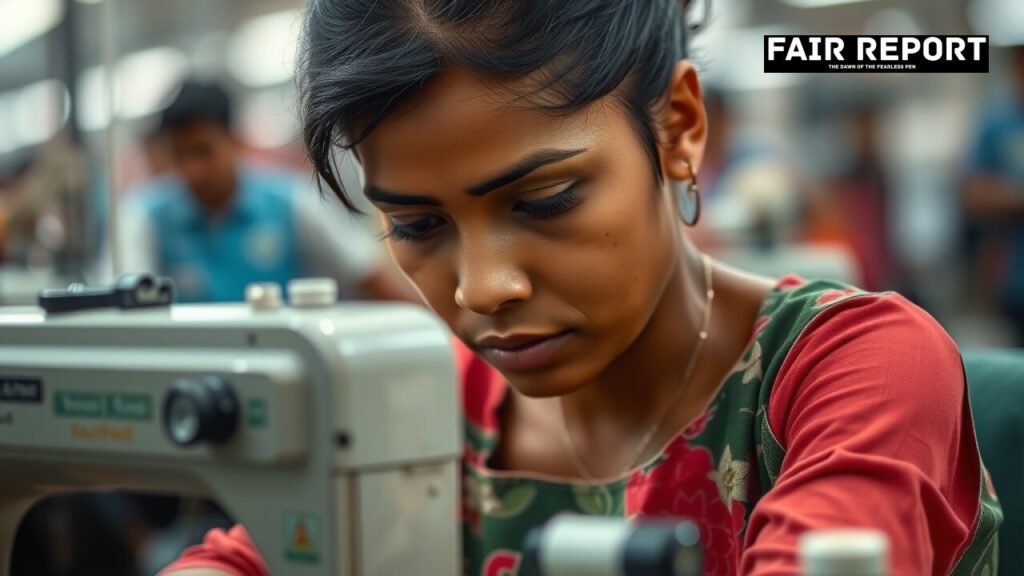
The per‑capita GDP metric divides a country’s total economic output by its population, offering a snapshot of average living standards. Bangladesh’s per‑capita GDP has risen sharply over the past decade, moving from roughly $1,200 in 2010 to just over $2,300 in the most recent IMF release. This growth outpaced India’s per‑capita figure, which hovered around $2,200 during the same period. The surge is largely driven by the ready‑made garment sector, which now accounts for more than 80% of export earnings, and by a steady stream of remittances from Bangladeshi workers abroad, which have added roughly $20 billion annually to national income.
IMF Forecast and Global Context
According to the IMF World Economic Outlook, India’s larger economy and higher projected growth rate mean it is expected to overtake Bangladesh again by FY29. The IMF’s projection assumes India will sustain an average annual real GDP growth of 6.5% versus Bangladesh’s 6.0% over the next seven years. However, the forecast also flags several risks, including global trade volatility, rising debt levels, and climate‑related disruptions that could affect both economies. The IMF’s nuanced view suggests that while Bangladesh currently enjoys a per‑capita edge, the competitive gap remains narrow and highly sensitive to external shocks.
Economic Challenges Facing Bangladesh
Bangladesh’s rapid ascent is not without vulnerabilities. The garment industry, while a growth engine, is exposed to fluctuations in international demand and to increasing pressure for higher labor standards and environmental compliance. Moreover, the country’s infrastructure—particularly power supply and logistics—lags behind its growth ambitions, potentially throttling productivity gains. Inflationary pressures, driven by food price volatility, also threaten household purchasing power, which could erode the per‑capita advantage if not managed effectively.
Economic Challenges Facing India
India, despite its larger absolute GDP, grapples with structural issues that could impede its per‑capita resurgence. Slower consumer spending, a slowdown in private investment, and a banking sector burdened by non‑performing assets are key concerns. Additionally, demographic pressures, such as a burgeoning youth population requiring jobs, and regional disparities in development, pose long‑term challenges. Policy reforms aimed at improving ease of doing business, enhancing labor market flexibility, and investing in high‑skill education are critical to sustaining the projected growth path.
Policy Implications and Future Outlook
For Bangladesh, the immediate policy priority is to diversify its export base beyond garments, invest in higher‑value manufacturing, and strengthen social safety nets to protect vulnerable households from price shocks. Enhancing infrastructure—especially ports, roads, and reliable electricity—will be essential to sustain productivity gains and attract foreign direct investment.
India, on the other hand, must focus on structural reforms that boost private sector confidence, improve fiscal health, and address environmental sustainability. Strengthening the digital economy, expanding renewable energy capacity, and fostering innovation ecosystems could help India not only regain the per‑capita lead but also ensure inclusive growth.
In summary, the headline that bangladesh overtakes india per capita gdp captures a pivotal moment in South Asian economics. While the current data reflect Bangladesh’s impressive progress, the IMF’s forward‑looking analysis reminds us that the rankings are dynamic. Both nations face distinct challenges that will shape their trajectories over the next decade. Continued monitoring of IMF releases, World Bank reports, and independent economic analyses will be essential for policymakers, investors, and scholars tracking this evolving story.
Frequently Asked Questions
What is per capita GDP?
Per capita GDP is a measure of the total output of a country divided by its population. It is an important indicator of a country's economic performance.
Why has Bangladesh's per capita GDP surpassed India's?
Bangladesh's per capita GDP has been growing rapidly in recent years, driven by its garment industry and remittances from abroad.
What are the economic challenges facing Bangladesh and India?
Both countries face significant economic challenges, including a slowdown in global trade and rising debt levels. Bangladesh's economy is heavily dependent on its garment industry, while India's economy is facing a slowdown in growth.