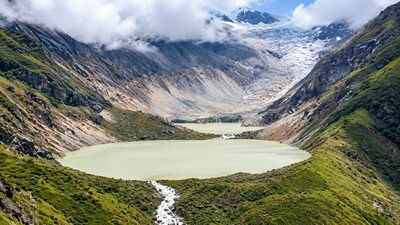
Emergency alerts have been issued across the border districts of northern West Bengal and western Assam following a severe Glacial Lake Outburst Flood (GLOF) at Bhutan’s high-altitude Shintaphu Lake. The deluge sent millions of cubic meters of water rushing into downstream river systems, spiking water levels in the Sankosh River and forcing local authorities to evacuate over 10,000 residents from vulnerable areas like Alipurduar to safe shelters. National and State Disaster Response Forces (NDRF and SDRF) remain deployed on high alert.
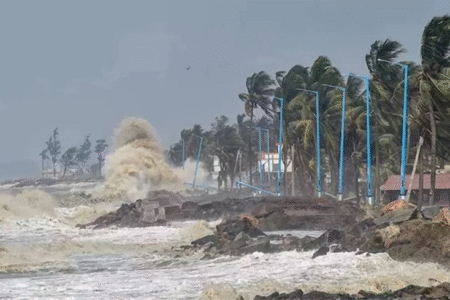
Concurrently, the remnants of Cyclonic Storm Arnab now weakened into a low pressure system have unleashed heavy downpours across eastern and central India. In Odisha, severe flooding has inundated the Ganjam, Gajapati and Kandhamal districts, cutting off more than 300 villages and leaving roughly 62,000 people stranded, with emergency teams carrying out airlifts and mass evacuations.
The combined atmospheric disturbance continues to bring widespread unseasonal rain, high winds, and a sharp drop in temperatures across central and northern India. The India Meteorological Department (IMD) has placed 14 states including Madhya Pradesh, Uttar Pradesh, and Rajasthan under red and orange alerts. The unseasonal rain pulled New Delhi’s daytime maximum down to 25.4°C, marking the national capital’s coldest October day in four years.