The agency flags extreme heat, dengue and malaria, malnutrition and strained hospitals as the strongest El Niño on record gathers force
NEW DELHI : India is among the countries the World Health Organization has marked as most exposed to the health fallout of El Niño, as a climate event that scientists fear could be historic tightens its grip on South Asia.
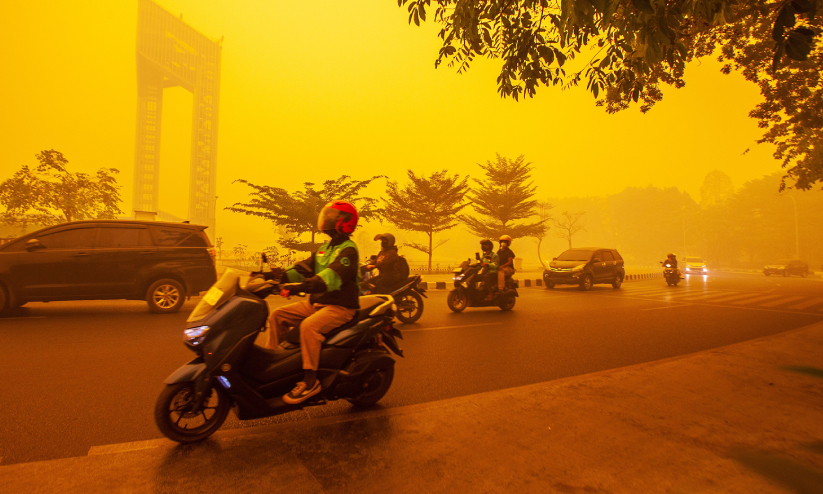
In its Global Public Health Situation Analysis – El Niño 2026, the WHO flagged heightened risks to India from heat-related illness and dengue. It rated India’s vulnerability as high or very high between August and October. The risks it lists include extreme heat, poor air quality, malnutrition, food insecurity, and diseases spread by water and mosquitoes. Nepal and several Southeast Asian countries also face high risk, according to the report.
The warning comes as the weather turns. India’s Ministry of Earth Sciences says El Niño conditions have emerged and could reach “very strong” levels by year-end, lasting until February 2027. September rain was below normal, adding to earlier monsoon deficits. Some projections suggest the event could be the strongest ever measured, peaking between November 2026 and January 2027.
Delhi has begun preparing. The health ministry’s guidance note asks states and Union Territories to carry out district-level risk assessments and activate Health Emergency Operations Centres or control rooms during high-risk periods.
Experts stress the scale of the risk. El Niño does not create new pathogens, but health experts call it a threat multiplier that can overload hospitals already under pressure.