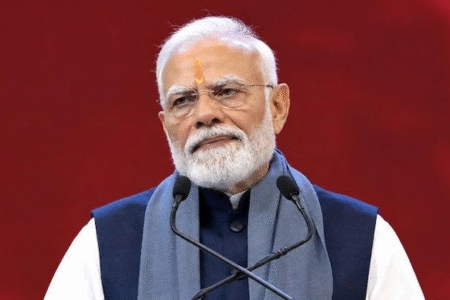
The political alliance headed by Yashar party chairman Gadi Eisenkot has officially announced the Yosef Elron nomination for the office of state comptroller. According to reporting from The Times of Israel and The Jerusalem Post, the parliamentary faction reached a unified consensus to advance the retired Supreme Court justice as its selected nominee for the country’s preeminent public oversight office. The formal endorsement places the experienced former judge directly into the heart of a consequential legislative selection contest within the Israeli political landscape.
Key Takeaways
- The parliamentary bloc headed by Yashar chairman Gadi Eisenkot endorsed retired Supreme Court justice Yosef Elron for state comptroller.
- Major Israeli news outlets, including Haaretz and The Times of Israel, reported the joint decision on 19 November 2026.
- Elron previously faced a political defeat in June when he ran against an individual backed by Prime Minister Benjamin Netanyahu.
- Described by publications such as Haaretz as a conservative jurist, Elron is now slated to contest the oversight position.
Political Bloc Backs Yosef Elron Nomination
The political parties operating under the coordination of Yashar chairman Gadi Eisenkot confirmed their formal support for Yosef Elron on 19 November 2026, as reported by Israel National News and The Jerusalem Post. The announcement reflects months of ongoing consultations among opposition and independent factions seeking a credible, authoritative jurist capable of challenging the administrative oversight apparatus currently overseen by the incumbent government.
Eisenkot, serving at the helm of the Yashar faction, coordinated the decision across the broader alliance to field an experienced judicial authority for the post of state comptroller. By advancing the Yosef Elron nomination, the parliamentary alliance seeks to position an established legal figure atop the national audit agency, signalling a commitment to professional administrative review and institutional checks. Faction leaders indicated that selecting a high-profile former justice reinforces the objective of maintaining rigorous, independent auditing across state ministries and public bodies.
Judicial Record and Conservative Standing
Yosef Elron retired from the Supreme Court after an extensive tenure on the bench, during which he established a clear legal profile. Coverage from Haaretz consistently characterised Elron as one of the court’s more conservative judicial voices. Throughout his years in the high court, Elron authoritatively weighed in on complex constitutional questions, administrative appeals, and criminal proceedings, frequently distinguishing himself from the court’s liberal majority through dissenting opinions and conservative rulings.
His established standing as a conservative jurist makes his backing by the Eisenkot-led bloc a notable strategic maneuver. By presenting a candidate who holds conservative legal credentials, the alliance presents a jurist who cannot easily be dismissed by right-wing lawmakers as ideologically opposed to their judicial perspectives. The selection thus serves as a deliberate effort to reach beyond traditional factional divides in the legislature.
This renewed push follows an earlier legislative contest. As reported by Haaretz and The Times of Israel, Elron suffered a defeat in June in a prior appointment race against a candidate actively backed by Prime Minister Benjamin Netanyahu. That vote underscored the challenging parliamentary mathematics confronting opposition-led proposals, while also establishing Elron as a recurring figure in the broader contest over senior judicial and constitutional appointments.
| Candidate | Nominating Bloc Leader | Prior Judicial Role | Reporting Sources |
|---|---|---|---|
| Yosef Elron | Gadi Eisenkot (Yashar) | Retired Supreme Court Justice | The Times of Israel, The Jerusalem Post, Haaretz, Israel National News |
The Role and Statutory Mandate of the State Comptroller
The office of the state comptroller functions as the supreme oversight and auditing body in the national governance framework. Operating independently of the executive branch, the comptroller is statutorily tasked with auditing the financial management, procedural legality, operational efficiency, and general integrity of government ministries, state-owned enterprises, statutory authorities, and the security establishment.
Beyond fiscal audits, the comptroller concurrently serves as the national public ombudsman. In this capacity, the office receives and investigates grievances submitted by private citizens regarding unfair treatment, administrative failures, or systemic shortcomings within public authorities. Because the agency evaluates executive compliance with established statutory duties, its annual reports frequently shape public debates, trigger legislative reviews, and drive institutional reforms.
Securing the position of state comptroller carries considerable influence over how public institutions are scrutinized. The agency holds extensive powers to demand internal documentation, examine confidential proceedings, and interview civil servants. Consequently, every selection cycle generates intense interest among competing parliamentary groups, as the appointment influences how aggressively the state apparatus will be held accountable over the subsequent seven-year statutory term.
Legislative Voting Dynamics and the Selection Process
With the Yosef Elron nomination officially submitted by the Eisenkot-led bloc, attention now shifts to the statutory selection procedures established by law. The selection of the state comptroller takes place directly on the floor of the legislature through a secret ballot process. This secret-ballot requirement has historically created unpredictable dynamics, allowing individual lawmakers to vote independently of formal party discipline and strict coalition agreements.
The procedural steps require Eisenkot’s alliance to assemble cross-factional parliamentary backing ahead of the vote, confronting the numerical majority held by the governing coalition. For the alliance, building a winning coalition behind Elron will require peeling off support from moderate elements or uncommitted members who respect Elron’s conservative judicial record.
Following his defeat in June against the Netanyahu-endorsed candidate, Elron’s second bid will measure whether parliamentarians are receptive to his candidacy in a different institutional context. While the previous vote centered on a separate appointment framework, this race directly concerns the long-term stewardship of the state auditing apparatus. Details regarding official submission deadlines, committee certifications, and the scheduling of the final plenary vote are expected to be announced by legislative officials in the coming sessions, establishing the formal timetable for this high-stakes institutional vote.
Frequently Asked Questions
Who nominated Yosef Elron for state comptroller?
The nomination was made by the political bloc led by Yashar party chairman Gadi Eisenkot, according to reports from Israeli media outlets on 19 November 2026.
What background does Yosef Elron have?
Yosef Elron is a retired Supreme Court justice, described by publications such as Haaretz as a conservative jurist.
Did Yosef Elron previously contest an appointment?
Yes, media reports indicate that Elron lost a previous contest in June to a candidate backed by Prime Minister Benjamin Netanyahu.