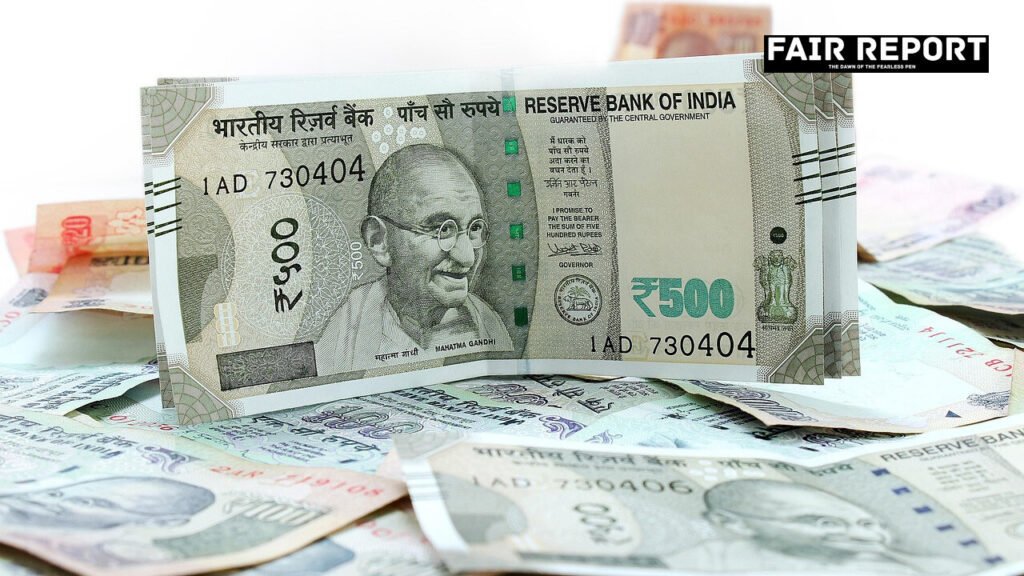
India forex reserves have recorded a sharp contraction of $14.21 billion in a single week, taking the overall stockpile down to $705.34 billion. Data released by the Reserve Bank of India highlights that this weekly slide has dragged foreign exchange buffers to a three-month low. The noticeable drop reflects broader global economic pressures and foreign exchange revaluation effects impacting foreign currency holdings.
Key Takeaways
- India forex reserves dropped by $14.21 billion in one week to $705.34 billion.
- The sudden fall brings the country’s foreign exchange reserves to a three-month low.
- RBI data shows currency revaluation and market adjustments contributed to the drop.
- India’s overall reserve cushion remains strong enough to manage external financial obligations.
Understanding the Weekly Slide in India Forex Reserves
The latest statistical supplement from the central bank confirms that total foreign reserves fell significantly from previous levels. Reports from Reuters and local media highlight that the weekly drop of approximately $14.2 billion represents one of the largest single-week drawdowns in recent months. Prior to this decline, India’s foreign exchange reserves had been hovering near historically elevated marks, providing an extensive shield against external financial turbulence.
Market tracking by financial institutions reveals that such massive weekly adjustments are typically driven by foreign asset price revaluations and central bank operations in foreign exchange markets. When international currencies shift against the US dollar, the dollar value of assets held in non-dollar denominated currencies changes accordingly, causing net fluctuations in reported headline figures.
Key Drivers Behind the $14.2 Billion Drop
A primary cause of the weekly reduction is currency revaluation, as reported by Business Standard. India’s foreign currency assets comprise major global holdings, including the euro, British pound, and Japanese yen, alongside US dollar assets. When the US dollar strengthens globally, non-dollar assets express lower dollar values, triggering an automatic drop in reported reserve figures without an actual sale of underlying securities.
Another major factor in reserve management is intervention by the Reserve Bank of India in the spot and forward currency markets. To mitigate extreme volatility in the domestic exchange rate and keep currency fluctuations orderly, the central bank periodically buys or sells dollars. Such operations directly impact the overall total of foreign reserves in any given weekly reporting period.
Snapshot of Reserve Movements
To put the recent decline into perspective, the snapshot below summarizes the key numbers reported by the RBI:
| Metric | Reported Value / Detail |
|---|---|
| Current Forex Reserves Total | $705.34 billion |
| Weekly Change | Decrease of $14.21 billion |
| Reserve Level Status | Three-month low |
| Primary Source | Reserve Bank of India (RBI) |
While a single-week contraction of $14.2 billion appears significant on paper, such movements are best evaluated over longer horizons. India’s overall liquidity cushion remains among the largest among emerging market economies globally.
Economic Implications for the Indian Rupee and Trade
Foreign exchange reserves act as a crucial anchor for sovereign credit ratings and investor confidence. A robust reserve buffer ensures that India can comfortably pay for imported goods and services while maintaining debt service capacity. Even after the weekly drop to $705.34 billion, the current reserve level offers ample import cover for many months, safeguarding domestic economic stability.
Additionally, adequate foreign currency reserves give policymakers room to absorb external financial shocks, such as fluctuating global crude oil prices or foreign portfolio capital outflows. Maintaining substantial foreign assets reduces foreign exchange risk for domestic businesses engaging in cross-border trade and debt financing.
What to Expect in Future Reserve Reports
Upcoming weekly RBI balance sheet disclosures will show whether this sharp foreign reserve contraction is a temporary dip or part of a broader trend. Key factors to watch include global interest rate decisions, movement in the US dollar index, and local foreign institutional investment flows.
For investors and business entities, staying informed on reserve trends provides insight into domestic liquidity conditions and exchange rate policy. The central bank is expected to continue utilizing its multi-billion-dollar foreign currency buffer to maintain currency market stability while balancing growth and inflation priorities.
Frequently Asked Questions
Why did India's foreign exchange reserves drop so sharply?
The weekly decline of $14.21 billion was largely driven by currency revaluation effects as foreign assets fluctuate against the US dollar, alongside central bank exchange market interventions.
What is the current total of India forex reserves?
According to the latest Reserve Bank of India data, India's foreign exchange reserves stand at $705.34 billion.
Is $705.34 billion still a healthy reserve level for India?
Yes, $705.34 billion provides a major cushion, covering many months of imports and offering foreign currency stability against global market volatility.