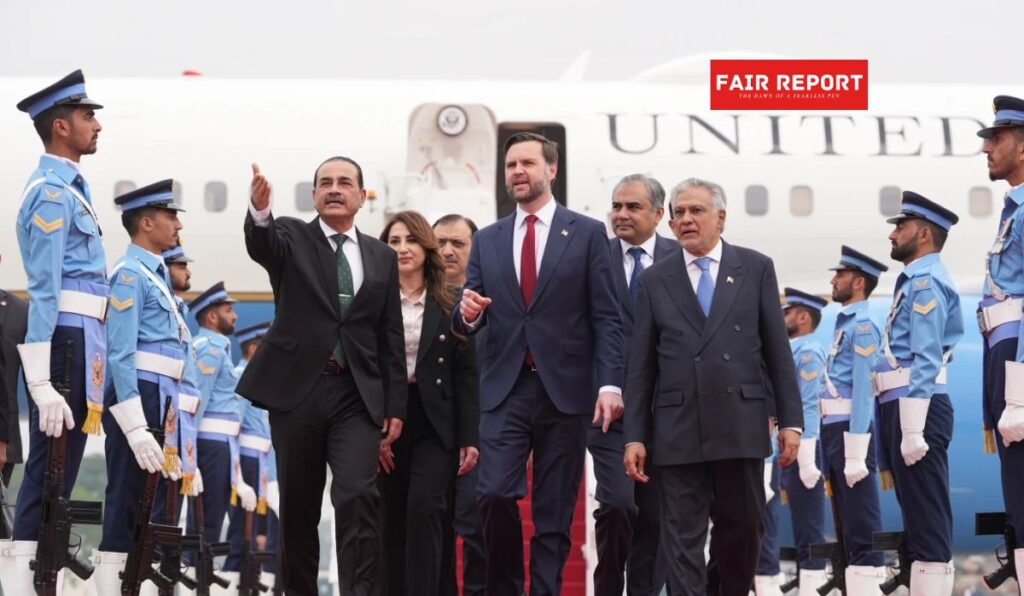
US Iran talks 2026: The diplomats from both the US and Iran have reached Islamabad for critical diplomatic talks between the two nations, as the world waits anxiously. This comes six weeks after the US-Israeli joint aggression that killed the Iranian leader Ayatollah Ali Khamenei and ensued total chaos. Iran took control over the vital maritime chokepoint, the Strait of Hormuz, (US Iran talks 2026)sending shockwaves that could possibly cripple the global economy.
The US desperately pushed Pakistan to negotiate a ceasefire and propose direct diplomatic talks between the two sides. Both delegates joined each other in the Islamic capital as Iran harbours “complete distrust” for the US, as it was attacked twice while negotiations were ongoing. Pakistan’s Prime Minister Shehbaz Sharif called it a “make-or-break” moment; these are the most significant face-to-face engagements between the two nations since 1979.
Here are the key issues that are expected to be discussed by the two sides-
- Ceasefire in Lebanon
- Unblocking of frozen assets, end of sanctions
- Acknowledgement of Iranian authority over the Strait of Hormuz
- Reparations for the war damages
- Israel and the US both want the military capability of Iran to be reduced dramatically. Tehran is unwilling to negotiate its missile arsenal.
- America also wants a reduction of enriched uranium and a halt to the Iranian nuclear programme.
- Iran wants all US forces removed from the region.
Who are the delegations?
The Iranian delegation is led by Mohammad Bagher Ghalibaf, speaker of the parliament of Iran and head of the delegation and 70 other negotiators, experts, media representatives and security.
The key members of the Iranian delegation are as follows: Abbas Araghchi, foreign minister; Reza Amiri Moghadam, ambassador to Pakistan; Ali Akbar Ahmadian, member of the Supreme National Security Council; and Ali Bagheri Kani, deputy to the Supreme National Security Council, Esmail Ahmadi Moghadam, president of the National Defence University, Mohammad Jafari, assistant to the secretary at the Supreme National Security Council, Naser Hemati, central bank governor, Kazim Gharibabadi, deputy foreign minister, Majid Takht-e Ravanchi, deputy foreign minister, Valiollah Nouri, deputy foreign minister, Esmaeil Baghaei, deputy foreign minister and ministry speaker, Abolfazl Amouei, member of parliament and Mohammad Nabavian, member of parliament. While the US side includes Vice President JD Vance, Special Envoy Steve Witkoff, Trump’s son-in-law Jared Kushner and other support staff.