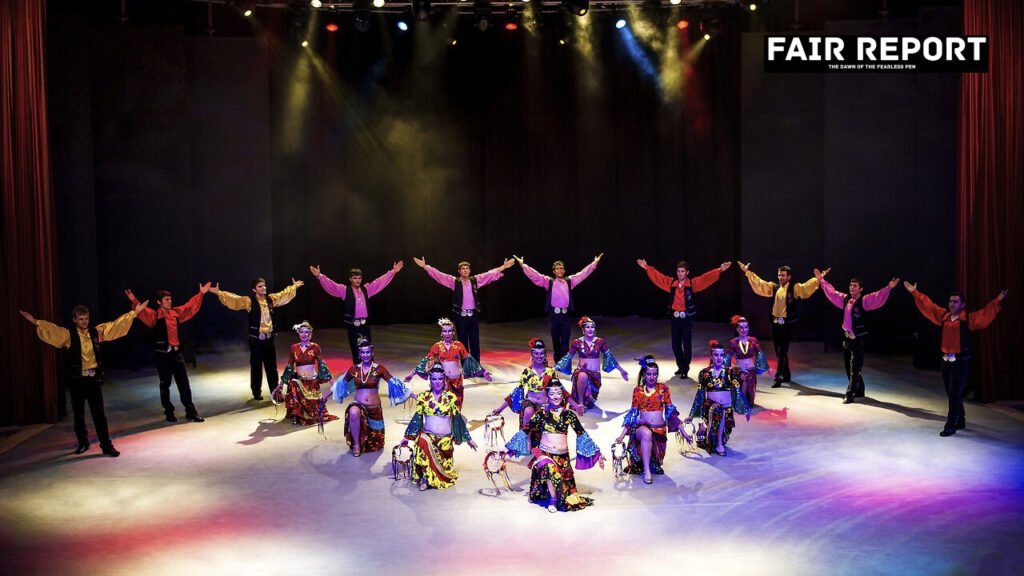
Lokrang Jaipur brought a burst of colour and rhythm to the fourth day of the 29th National Folk Art Festival, with sword dances and folk music echoing through Jawahar Kala Kendra. The performances showcased traditional art forms from across India, drawing enthusiastic crowds.
Key takeaways
- Sword dances highlighted the martial heritage of Rajasthan.
- Folk music featured instruments from multiple Indian states.
- The event is part of the annual Lokrang Jaipur celebration.
- Audiences responded with applause and active participation.
Lokrang Jaipur showcases sword dances
Skilled performers twirled gleaming swords in synchronized patterns, their movements echoing centuries‑old warrior traditions. The dancers wore flowing skirts that fluttered with each spin, creating a visual contrast between steel and fabric.
Folk music unites diverse regions
Accompanying the sword displays, musicians played folk tunes on instruments such as the dholak, shehnai and sarangi. Melodies travelled from the north to the south, illustrating the festival’s pan‑Indian scope.
Audience engagement and response
Visitors clapped along, some joining in simple clapping rhythms. Children mimicked steps, while elders recalled similar performances from their hometowns.
Significance of the Lokrang Jaipur festival
Held annually at Jawahar Kala Kendra, Lokrang Jaipur serves as a platform for preserving and promoting India’s intangible cultural heritage. This year marks the 29th edition, underscoring the event’s longevity.
| Day | Highlight |
|---|---|
| Day 4 | Sword dances and folk music from across the country |
What’s next for Lokrang Jaipur
The festival will continue with more regional dances, puppet shows and craft exhibitions over the coming days. Attendees are encouraged to explore the remaining program to experience the full spectrum of India’s folk traditions.
History and evolution of Lokrang Jaipur
Since its inception in 1995, Lokrang Jaipur has grown from a modest gathering of local artisans to a nationally recognised celebration of folk art. Each year, the festival expands its roster, inviting performers from distant states such as Assam, Gujarat, Kerala and Tamil Nadu. The inclusion of sword dances in recent editions reflects a renewed interest in Rajasthan’s martial heritage, while folk music remains a constant thread that binds the diverse line‑up.
Cultural impact on the city
Jaipur’s residents take pride in Lokrang Jaipur, seeing it as a living museum of their cultural identity. Local schools incorporate festival workshops into their curricula, allowing children to learn traditional rhythms and dance steps. Small businesses also benefit; vendors selling handcrafted jewellery, block‑printed textiles and regional snacks report a noticeable uptick in sales during the festival period.
Visitor tips for enjoying Lokrang Jaipur
First‑time visitors should arrive early to secure a good viewing spot, especially for the sword‑dance performances which draw large crowds. Comfortable footwear is essential, as the venue’s open courtyards encourage standing for extended periods. For a deeper experience, consider joining the guided tours offered by the Events page, where knowledgeable curators explain the symbolism behind each performance.
Don’t miss the opportunity to sample traditional Rajasthani refreshments such as pyaaz ki kachori and jalebi, available at the food stalls near the main stage. If you’re interested in exploring more of Jaipur’s cultural scene, the Jaipur Festivals portal lists upcoming events that complement Lokrang Jaipur’s schedule.
Preserving intangible heritage
One of the core missions of Lokrang Jaipur is to safeguard intangible cultural heritage that might otherwise fade. By providing a high‑visibility platform, the festival encourages younger generations to learn and carry forward art forms like the Ghoomar dance, the Rajasthani folk ballads, and the intricate sword‑dance choreography. Partnerships with institutions such as the official Lokrang Jaipur website ensure that documentation and archival efforts keep pace with live performances.
Future outlook
Looking ahead, organizers of Lokrang Jaipur aim to integrate digital storytelling, allowing remote audiences to experience the festival through live streams and virtual reality tours. This expansion will not only broaden the festival’s reach but also create new revenue streams to support artisans and performers.
Whether you are a seasoned folk‑art enthusiast or a curious traveler, Lokrang Jaipur offers an immersive glimpse into India’s rich tapestry of music, dance, and storytelling. The festival’s blend of historic sword dances, vibrant folk music, and community participation continues to light up Jaipur’s cultural landscape year after year.
FAQ
When is the Lokrang Jaipur festival held?
The 29th edition took place in late October 2026, with day four highlighted by sword dances and folk music.
Where is Jawahar Kala Kendra located?
Jawahar Kala Kendra is a cultural center in the heart of Jaipur, Rajasthan.
What types of performances are featured at Lokrang?
The festival features sword dances, folk music, regional dances, puppet shows and traditional crafts.
Can visitors participate in the performances?
While the main stage acts are performed by professionals, audiences often join in clapping and simple rhythmic movements.
How long has the Lokrang festival been running?
Lokrang celebrated its 29th edition in 2026, indicating it started in the late 1990s.