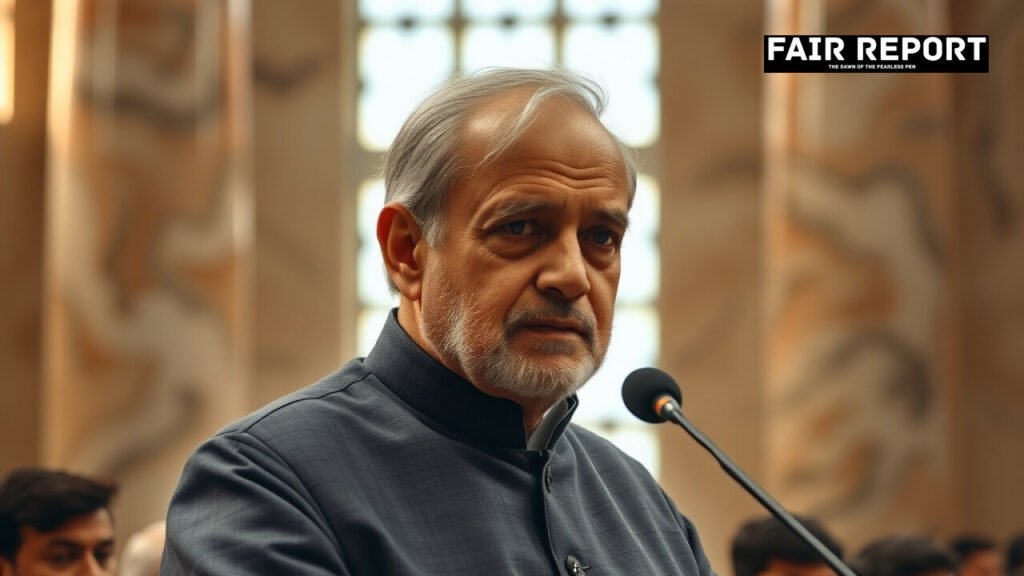
Former Rajasthan chief minister Ashok Gehlot has publicly demanded a Rajasthan IAS probe into a series of large property transactions linked to a senior IAS officer. He says the alleged irregularities merit investigation by both the Central Bureau of Investigation and the Enforcement Directorate.
Key takeaways
- Gehlot calls for CBI and ED to investigate property deals involving a senior IAS officer.
- The alleged transactions involve multiple parcels of land worth crores.
- Both agencies have jurisdiction over corruption and money‑laundering cases.
- The demand adds political pressure ahead of upcoming state elections.
Gehlot’s demand for a probe
In a statement released on 30 October 2026, Gehlot said the matter required a “fair, transparent and independent” inquiry. He emphasized that the senior IAS officer’s family had acquired several properties in a short span, raising questions about the source of funds. Gehlot’s call for a Rajasthan IAS probe reflects his broader push for accountability in the state’s bureaucracy.
Alleged property irregularities
The properties in question are reported to be located in and around Jaipur, with valuations ranging from several crore rupees each. While the exact figures have not been disclosed, local media note that the acquisitions occurred shortly after the officer’s promotion to a senior post. Critics argue that the timing suggests a possible misuse of official influence.
Rajasthan IAS probe: Details of the allegations
According to sources close to the investigation, the senior officer’s relatives purchased three plots of land totaling over 15 acres between January and March 2026. The transactions were executed through a series of shell companies, each registered in different states, making the money trail difficult to trace. The alleged use of discretionary powers to obtain land allotments at below‑market rates is at the heart of the Rajasthan IAS probe.
Roles of CBI and ED
Both the Central Bureau of Investigation and the Enforcement Directorate have the legal mandate to examine corruption and money‑laundering allegations. The CBI typically handles criminal investigations involving public officials, while the ED focuses on violations of the Prevention of Money‑Laundering Act.
| Agency | Primary Jurisdiction | Typical Cases |
|---|---|---|
| CBI | Criminal investigations | Corruption, fraud, economic offences |
| ED | Money‑laundering | Illicit financial flows, foreign asset recovery |
Gehlot’s request therefore covers the full spectrum of potential violations, from illegal acquisition to possible laundering of proceeds.
Political context in Rajasthan
The demand comes as the state prepares for the next assembly elections. Opposition parties have already raised concerns about administrative opacity, and Gehlot’s statement adds pressure on the current government to act swiftly. High‑profile investigations can sway public opinion, especially when they involve senior civil servants.
Legal framework governing IAS conduct
The All India Services (Discipline and Appeal) Rules, 1969, and the Central Civil Services (Conduct) Rules, 1964, lay down the standards of propriety for IAS officers. Violations can attract departmental action, removal from service, or criminal prosecution under the Prevention of Corruption Act, 1988. For a detailed overview of these statutes, see the official government guidelines.
Historical precedents of IAS probes in India
India has witnessed several high‑profile IAS investigations, such as the 2015 probe into the land allotments in Delhi’s “Lutyens’ Zone” and the 2020 inquiry into the “Kashmir land scam”. In each case, the involvement of senior bureaucrats triggered nationwide debates on accountability and the balance of power between elected officials and the civil service. These precedents illustrate the potential ramifications of a Rajasthan IAS probe on both governance and public trust.
Potential outcomes and impact on governance
If the CBI and ED find substantive evidence, the senior officer could face suspension, prosecution, and possible dismissal from service. A conviction would also set a deterrent precedent for other officials. Conversely, a lack of evidence might reinforce the officer’s standing but could fuel criticism that the probe was politically motivated. Either scenario will shape the narrative around administrative transparency in Rajasthan.
Public and media reaction
Local newspapers and national outlets, including The Hindu, have highlighted the growing public interest in the case. Social media platforms are abuzz with discussions about the integrity of the civil service, with many citizens calling for swift action to restore confidence in public institutions.
Looking ahead
If the CBI and ED accept the request, they will likely issue notices to the IAS officer and request documents related to the property purchases. A thorough audit could uncover whether the acquisitions complied with the state’s land‑allocation rules. Until a formal charge sheet is filed, the matter remains under investigation, and the senior officer’s future postings may be affected.
Regardless of the outcome, the Rajasthan IAS probe underscores the importance of vigilant oversight in a democratic system. It also serves as a reminder that senior officials, like all public servants, are accountable to the law and to the citizens they serve.
FAQ
What did Ashok Gehlot request regarding the property deals?
He asked the CBI and the Enforcement Directorate to investigate the alleged irregularities in the property transactions linked to a senior IAS officer.
Which agencies are responsible for probing the case?
The Central Bureau of Investigation (CBI) and the Enforcement Directorate (ED) have jurisdiction over corruption and money‑laundering matters, respectively.
Why is the investigation considered significant?
It involves a senior civil servant and large land deals, raising concerns about possible misuse of official power and financial misconduct.
When were Gehlot’s demands made public?
Gehlot’s statements were released on 30 October 2026.
What could happen if the agencies launch an inquiry?
They may issue notices, request financial documents, and potentially file charges if they find evidence of wrongdoing.