






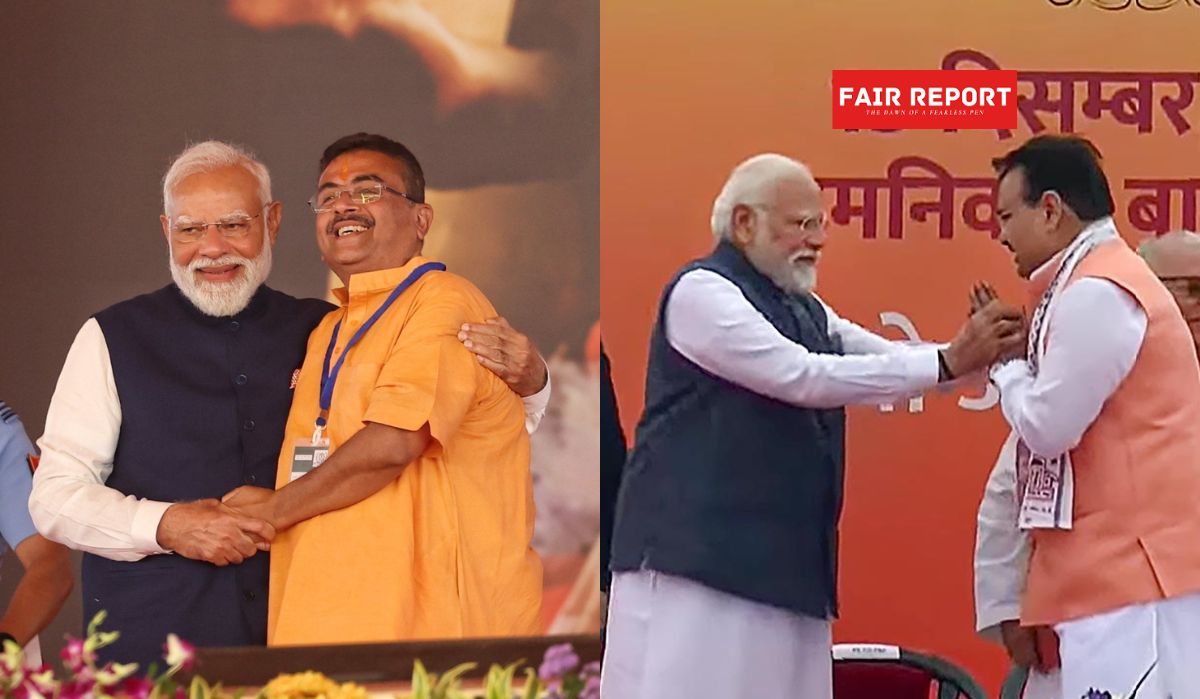
BJP internal democracy: The BJP’s decision in West Bengal to consult party MLAs on the possible elevation of Suvendu Adhikari has revived a larger national debate: is internal democracy making a comeback in Indian politics, or was this simply a carefully managed exercise in political optics?
The contrast with Rajasthan is difficult to miss. There, despite strong signals from elected legislators, the central leadership ultimately backed its preferred choice, (BJP internal democracy)reinforcing criticism of the long-standing “chit culture” — a system where key political decisions flow from the high command rather than from elected representatives or grassroots workers.
The Bengal episode appears to suggest something different: that strong regional leaders, electoral realities, and cadre sentiment cannot always be overridden from Delhi. Yet doubts remain. Was the consultation a genuine effort to empower legislators, or merely a tactical move to maintain unity and avoid internal friction ahead of critical elections?
The broader question extends far beyond one party or one state. In every major political organization, the real struggle is over where authority truly resides — with elected representatives, the party organization, or a centralized leadership structure. Until political parties confront that question honestly, Indian democracy will continue to grapple with the tension between centralized control and grassroots legitimacy.