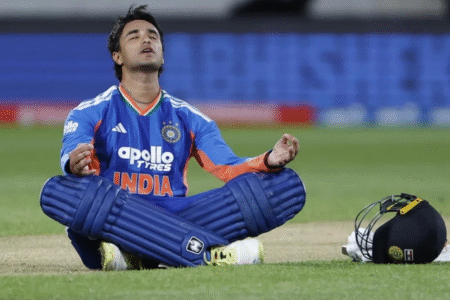
The latest reports show that IPL valuation has jumped dramatically, and the league enjoys a new level of parity among its franchises. The surge reflects both stronger commercial deals and tighter competition on the field.
Key takeaways
- Franchise values are climbing faster than any other sport in India.
- Competitive balance is improving, with more teams able to vie for the title.
- Broadcast and sponsorship revenues are the main drivers of growth.
Why IPL valuation matters for Indian sport
IPL valuation is now a benchmark for how Indian sports leagues can attract investment. The league’s media rights deals, signed with major broadcasters, have set new price points, pushing each franchise’s market worth upward.
Beyond the cash, higher valuations give owners confidence to invest in better facilities, coaching staff, and player development programs. This, in turn, fuels the league’s overall quality.
Parity among franchises narrows the gap
Parity has become a buzzword after the latest season saw several under‑dog teams challenge traditional powerhouses. The competitive balance means more matches are closely contested, which boosts viewership and ticket sales.
When more teams can afford marquee players, the league avoids a concentration of talent in a few wealthy owners. This democratisation of spending is a direct outcome of rising IPL valuation across the board.
Revenue streams driving the surge
Broadcast rights, digital streaming, and corporate sponsorships are the three pillars behind the valuation jump. The league’s partnership with a global streaming platform has expanded its audience beyond Indian borders, adding foreign ad dollars.
Corporate sponsors are also paying premium rates to associate with the IPL brand, seeing it as a gateway to the country’s massive consumer market.
Impact on players and the broader cricket ecosystem
Higher franchise values translate into better player contracts. Young Indian cricketers now have a clearer pathway to lucrative careers, while overseas stars see the IPL as a top‑tier destination.
The financial health of the league also benefits grassroots cricket, as a portion of revenues is earmarked for development programs in tier‑2 and tier‑3 cities.
What the future holds
Experts expect IPL valuation to keep rising as the league explores new markets and formats. Continued focus on parity will likely keep the competition fierce, ensuring fans stay engaged season after season.
Stakeholders are watching closely to see how the next broadcast cycle and potential expansion teams will reshape the financial landscape.
FAQ
What is the current trend in IPL franchise values?
Franchise values are climbing faster than any other sport in India, driven by lucrative broadcast and sponsorship deals.
How does parity affect the IPL?
Parity narrows the performance gap between teams, leading to more competitive matches and higher fan interest.
Will higher IPL valuation benefit players?
Yes, it allows teams to offer better contracts, attracting top talent both domestically and internationally.
What are the main revenue sources for the IPL?
Broadcast rights, digital streaming partnerships, and corporate sponsorships are the primary revenue streams.
Is the IPL expanding beyond India?
The league is exploring new markets and formats, which could further boost its valuation in the coming years.