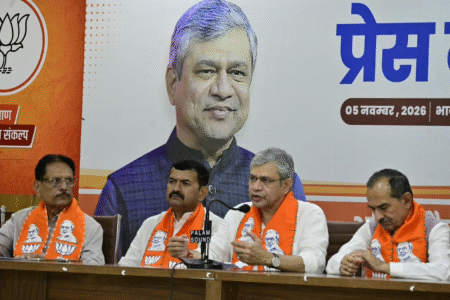
On 6 नवंबर, more than 85% of the 1.06 crore eligible voters in Rajasthan cast their ballots in the third‑phase of the panchayat elections. The high participation was quickly overshadowed by violence that broke out at a counting centre in Udaipur.
Key takeaways
- Turnout reached roughly 85% across 27 districts.
- 3,716 sarpanch and 34,218 ward seats were contested.
- Clashes erupted in Udaipur after results were announced.
- Police deployed to restore order; several arrests made.
6 नवंबर Election Turnout Overview
The Election Commission reported that about 85% of the 1.06 crore eligible voters turned out, confirming one of the strongest participations in recent local‑body polls. Such a turnout signals heightened political awareness among rural voters, many of whom view panchayat bodies as the primary conduit for development funds and welfare schemes.
Turnout figures and what they mean
High voter engagement in Rajasthan’s panchayat elections is notable because local elections traditionally see lower participation compared with state or national contests. Analysts attribute the surge to a combination of intensive voter‑education drives, the presence of competitive candidates, and the increasing relevance of grassroots governance in delivering essential services such as water, electricity, and road maintenance.
| Metric | Number |
|---|---|
| Eligible voters | 1.06 crore |
| Sarpanch posts | 3,716 |
| Ward panchayat posts | 34,218 |
Udaipur counting centre turns volatile
After the results were declared in Udaipur, supporters of rival candidates clashed near the counting hall. Police used batons and water cannons to disperse the crowd, and at least five people were reported injured. Several arrests were made, though officials said investigations are ongoing.
Impact on political dynasties
Local dynasties that have long dominated village politics faced setbacks in a few constituencies, according to the Lokmat Times. While the report does not list specific families, the pattern suggests a shift in voter preferences in certain blocks, with younger candidates and independent aspirants gaining ground.
Security response and next steps
Rajasthan police deployed additional forces to Udaipur and other hotspots to prevent further escalation. The Election Commission has promised a swift recount where allegations of irregularities were raised. Election officials will continue counting in the remaining districts over the next two days. Voters and candidates are urged to maintain calm as the final results are compiled.
Background of the third‑phase panchayat polls
The third phase covered 27 districts, including major rural zones in western, central, and eastern Rajasthan. The panchayat system, enshrined in the 73rd Constitutional Amendment, empowers elected representatives at the village (gram), block (panchayat samiti), and district (zila parishad) levels. These bodies manage local development plans, allocate funds from state and central schemes, and oversee essential services.
In recent years, the state government has increased the financial devolution to panchayats, making these elections more consequential. The stakes are higher for parties seeking to consolidate grassroots support ahead of the upcoming state assembly elections, scheduled for early 2027.
Voter demographics and issues that drove turnout
Surveys conducted by the Centre for Election Studies indicated that women voters accounted for nearly 48% of the turnout, reflecting successful gender‑focused outreach programs. Key issues that motivated voters included agricultural distress, water scarcity, and the implementation of the Mahatma Gandhi National Rural Employment Guarantee Act (MGNREGA). Many villagers expressed hope that newly elected sarpanches would prioritize irrigation projects and improve road connectivity.
Reactions from political parties
The ruling Bharatiya Janata Party (BJP) hailed the turnout as a validation of its development agenda, while the Indian National Congress (INC) warned that the violence in Udaipur could undermine democratic norms. Smaller regional parties, such as the Rashtriya Loktantrik Party, emphasized the need for transparent counting processes and called for independent observers.
External verification
For official turnout figures and detailed constituency‑wise results, refer to the Election Commission of India website.
FAQ
What was the voter turnout in Rajasthan's third‑phase panchayat elections?
Around 85% of the more than 1.06 crore eligible voters turned out, according to the Election Commission.
Why did violence break out in Udaipur?
Clashes erupted after the counting of results, with supporters of rival candidates confronting each other.
How many sarpanch and ward seats were contested?
The third phase covered 3,716 sarpanch posts and 34,218 ward panchayat seats.
What actions did police take in Udaipur?
Police used batons, water cannons, and made several arrests to restore order.
Will there be a recount of the contested results?
The Election Commission has said a recount will be conducted where irregularities are reported.