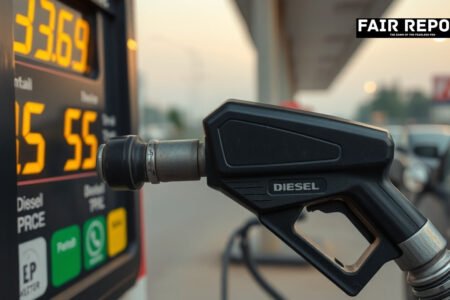
India may hike fuel prices in November, creating a short window for state-owned retailers to adjust rates before crucial state elections early next year. According to an analysis by Oxford Economics, this anticipated adjustment could push broader retail inflation above the Reserve Bank of India target.
Key takeaways
- India may hike fuel prices in November, according to Oxford Economics.
- The potential price adjustment comes ahead of important state elections scheduled for early next year.
- Higher pump prices threaten to push inflation metrics past the Reserve Bank of India target.
Timing and Political Windows
The window for any upward revision in petrol and diesel rates remains narrow. Political considerations often dictate fuel pricing strategies in the country. With state elections looming early next year, authorities have a limited timeframe to implement these changes without clashing directly with peak campaign periods.
Economists at Oxford Economics highlighted this specific timing in their recent briefing. They noted that moderate hikes implemented now would allow oil marketing companies to recover some margins while avoiding the immediate heat of upcoming electoral battles.
Furthermore, energy markets globally have experienced significant volatility over the past several quarters, compelling state-run entities in developing economies to reassess their retail pricing models. This dynamic heavily influences why India may hike fuel prices in the near term.
State-owned oil marketing companies have absorbed considerable margin pressure over the past year, keeping rates artificially steady despite fluctuating crude oil costs on international markets. Analysts suggest that this status quo cannot persist indefinitely, particularly as fiscal boundaries tighten.
Impact on Consumer Inflation
Any upward movement at the pump directly feeds into transportation and logistics costs, triggering a ripple effect across consumer goods. If India may hike fuel prices in November as projected, the resulting cost pressures will complicate the central bank’s price stability mandate.
The Reserve Bank of India monitors price pressures closely to keep consumer inflation within its mandated tolerance band. Surging energy expenses threaten to breach this ceiling, forcing monetary policymakers to rethink their interest rate trajectory.
Beyond immediate transport expenses, manufacturing and agricultural sectors rely heavily on diesel-powered machinery and transport fleets. Consequently, an upward revision in retail rates cascades swiftly through the supply chain, affecting everything from fresh produce prices to heavy industrial freight charges.
Economists emphasize that households should brace for higher monthly expenditures, as indirect costs embedded within retail goods usually lag behind the initial pump price adjustments by several weeks.
| Factor | Projection |
|---|---|
| Timing | November |
| Source | Oxford Economics |
| Key Risk | RBI inflation target breach |
Looking Ahead
Consumers should prepare for potential adjustments at local gas stations, while businesses assess the broader logistics impact on upcoming quarterly balance sheets. Policymakers face a delicate balancing act between fiscal health for state energy firms and macroeconomic price stability.
As the winter months approach, all eyes remain fixed on petroleum ministry announcements and retail fuel station boards for any definitive signs of policy implementation.
Frequently Asked Questions
Why might India hike fuel prices in November?
Oxford Economics notes that a moderate price hike in November provides a brief window for retailers before crucial state elections early next year.
How will higher fuel prices affect the Reserve Bank of India target?
An increase in fuel costs risks pushing retail inflation above the central bank's established target range.
Who predicted the potential fuel price hike?
The projection was released by researchers at Oxford Economics.