Midterm elections have dramatically reshaped the US Congress, yet Trump foreign policy continues to dominate the White House agenda. The paradox of a weakened Republican caucus alongside a president who still steers diplomatic decisions is both puzzling and consequential for observers worldwide.
Key takeaways
- The Republican Party suffered heavy losses in the 2026 midterms, flipping control of the House.
- President Donald Trump retains decisive influence over US foreign policy.
- Congressional oversight of the executive is expected to intensify.
- India‑US relations may see more direct executive engagement.
Midterms upended the legislative map
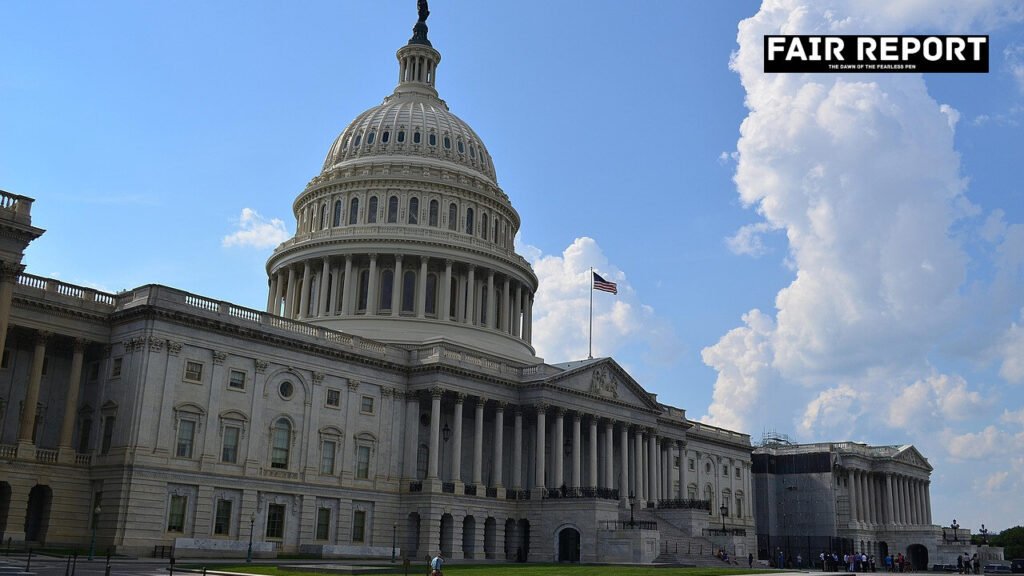
According to Reuters, the 2026 midterm elections produced a “staggering” defeat for Republicans, handing Democrats a clear majority in the House of Representatives. The Times of India noted that the new Congress will face the daunting task of shaping immigration and trade policy, areas traditionally influenced by the executive branch.
The shift in legislative power has immediate implications for budget allocations, foreign aid authorizations, and the confirmation of diplomatic appointees. While the Senate remains split, the House majority now possesses the tools to launch investigations, amend funding bills, and shape the narrative around US international engagements.
Trump foreign policy remains influential
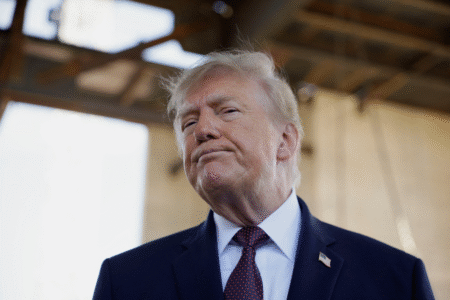
Despite the loss of legislative muscle, the president’s foreign policy team remains largely unchanged. Reuters reported that “President Donald Trump diminished in Washington and facing tougher legislative oversight” but still directs key diplomatic moves, from NATO negotiations to Indo‑Pacific strategy.
“The Republican Party’s staggering losses at the ballot box this week have left President Donald Trump diminished in Washington and facing tougher legislative oversight…” – Reuters
Analysts point out that the president’s ability to issue executive orders and negotiate treaties does not require congressional approval, allowing him to sidestep the new House majority on many fronts. Recent executive actions have reaffirmed commitments to the Quad, extended the Strategic Trade Authorization Act, and reinforced the US‑India Defense Technology Cooperation Agreement.
Implications for India
India watches closely as US foreign policy shapes trade, security, and climate agendas. With Trump retaining control over bilateral talks, New Delhi can expect continuity in high‑level engagements, even as the US Congress pushes for stricter oversight on defense deals and technology transfers.
Indian businesses that rely on US market access should monitor any congressional hearings that could affect export controls, but the executive’s steady hand may cushion abrupt policy shifts. The recent renewal of the US‑India Civil Nuclear Agreement, for example, was signed via an executive proclamation, bypassing the need for new legislative endorsement.
Strategically, the Indo‑Pacific remains a focal point. The president’s “Free and Open Indo‑Pacific” doctrine, first articulated in 2022, continues to guide naval deployments, joint exercises, and infrastructure financing. Indian policymakers are therefore encouraged to maintain direct channels with the White House while also preparing briefing materials for upcoming congressional committees.
What the new Congress can do
The Democratic‑led House is poised to launch investigations into the administration’s handling of foreign aid and diplomatic appointments. While they cannot directly overturn executive actions, they can wield budgetary power and conduct hearings that pressure the White House.
Committee chairs have already signaled interest in reviewing the FY2027 foreign assistance budget, with particular attention to aid to Ukraine, humanitarian funding in the Sahel, and the allocation of resources to the Indo‑Pacific Command. These reviews could result in conditional funding or stricter reporting requirements that indirectly shape policy implementation.
In addition, the House Foreign Affairs Committee is expected to scrutinize the recent executive order extending the “Strategic Trade Authorization Act” to include emerging technologies such as AI and quantum computing. Any amendment to the underlying statutory framework would require Senate approval, but the House can influence the debate through hearings and amendment proposals.
Looking ahead: scenarios for the next six months
For the next six months, the tug‑of‑war between a weakened Republican caucus and a president who still commands foreign policy will define US‑India interactions. Stakeholders in India should stay alert to any shifts in trade talks, defense procurement, and climate cooperation that may arise from congressional inquiries.
Scenario 1 – Continued Executive Dominance: Trump leverages executive orders to deepen defense cooperation with India, expands joint naval patrols, and secures additional technology transfers. Congressional pushback remains limited to budgetary hearings that do not alter the core agreements.
Scenario 2 – Legislative Counterbalance: The House passes a resolution demanding greater transparency on US‑India defense contracts, prompting the administration to adjust procurement timelines. While the executive retains final authority, the increased scrutiny could delay project milestones.
Scenario 3 – Hybrid Approach: Both branches find common ground on climate initiatives, leading to a joint US‑India clean energy task force that receives bipartisan support. This cooperation could serve as a template for future areas where executive ambition and legislative oversight align.
Businesses and policymakers alike would do well to maintain direct channels with the executive branch while also preparing for possible legislative scrutiny. Regular briefings, compliance audits, and scenario planning will be essential tools for navigating the evolving policy landscape.
FAQ
How did the 2026 midterms affect the US House of Representatives?
Republicans lost a significant number of seats, giving Democrats a clear majority in the House.
Can Congress stop the president’s foreign policy actions?
Congress can influence foreign policy through budget control and hearings, but it cannot directly block executive orders or treaties.
What does this mean for India‑US trade relations?
The continuity of Trump’s foreign policy suggests stable executive engagement, though congressional oversight could affect specific trade agreements.
Will immigration policy change after the midterms?
The new Democratic House is expected to push for reform, but the president still holds sway over executive immigration actions.
Should Indian companies monitor US congressional hearings?
Yes, especially those related to defense and technology, as they may impact export regulations and joint projects.