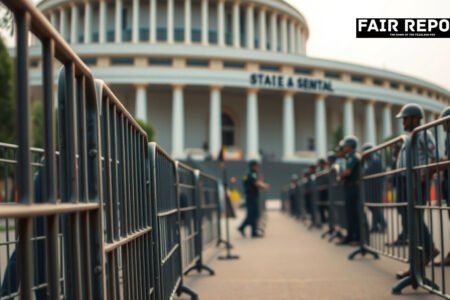
Medicine price overpricing has become a significant issue, with the Supreme Court taking a hard line against the government, calling the trade margin on medicines “massive” and demanding tighter price controls. In a public interest litigation, the bench highlighted the stark gap between maximum retail price (MRP) and what retailers actually pay, branding the practice as a systemic failure.
Key takeaways
- The Court questioned why manufacturers enjoy high margins while consumers bear inflated prices.
- Advocate Kishan Chand Jain seeks mandatory generic prescriptions and stricter controls on non‑scheduled drugs.
- Judges asked the government to justify the existing pricing framework.
- Potential policy overhaul could lower out‑of‑pocket costs for patients.
Background of the PIL
Advocate Kishan Chand Jain filed the petition seeking three main remedies: compulsory prescription of generic medicines, initial price controls on non‑scheduled drugs, and a review of the trade margin structure. The filing argues that the current system favours pharmaceutical manufacturers, creating an undue burden on patients who already struggle with high healthcare costs.
Supreme Court’s concerns
During the hearing, the bench asked pointed questions about the “massive gap” between the listed MRP and the cost incurred by retailers. The judges queried whether such a disparity could continue unchecked, suggesting that the government’s oversight appears lax. “Govt allowing this to happen,” one judge remarked, underscoring the urgency of reform.
Implications for generic drug prescription
If the Court’s demand for mandatory generic prescriptions is upheld, doctors would be required to prescribe drugs by their generic names rather than brand names. This could shrink the profit margin for branded manufacturers and push the market toward more affordable options, aligning with the petition’s goal of broader access to essential medicines.
Potential price‑control measures
The judges hinted at stricter initial price controls for non‑scheduled medicines, which are currently not subject to the same regulatory ceiling as scheduled drugs. By extending price caps, the government could narrow the margin that retailers and manufacturers earn, directly addressing the “medicine price overpricing” highlighted by the Court.
Medicine price overpricing: A major concern
Medicine price overpricing is a significant issue that affects many people. The government needs to take steps to address this issue and ensure that medicines are affordable for all. According to a report by the World Health Organization, many people around the world cannot afford the medicines they need.
What the government might do next
Following the Court’s admonition, the Ministry of Health is expected to submit a detailed response outlining existing safeguards and any planned revisions. The government may propose a revised pricing committee structure or introduce new guidelines limiting trade margins to address the issue of medicine price overpricing.
What patients can expect
Should the Court’s directives translate into policy, patients could see a reduction in out‑of‑pocket expenses for both scheduled and non‑scheduled medicines. Consumers are advised to stay informed about any changes announced by the Ministry of Health and to consult pharmacists about generic alternatives where available.
The issue of medicine price overpricing is complex and requires a comprehensive solution. The government, pharmaceutical companies, and healthcare providers need to work together to ensure that medicines are affordable and accessible to all. This can be achieved by implementing price controls, promoting generic medicines, and improving the overall healthcare system.
medicine price overpricing is a significant concern that affects many people. The Supreme Court’s decision to take a hard line against the government is a step in the right direction. The government needs to take immediate action to address this issue and ensure that medicines are affordable for all. By working together, we can create a healthcare system that is accessible, affordable, and effective for everyone.
The impact of medicine price overpricing on patients and the healthcare system as a whole cannot be overstated. It is essential that we take a comprehensive approach to addressing this issue, including implementing price controls, promoting generic medicines, and improving the overall healthcare system. By doing so, we can ensure that medicines are affordable and accessible to all, and that patients receive the care they need without breaking the bank.
Furthermore, the issue of medicine price overpricing highlights the need for greater transparency and accountability in the pharmaceutical industry. Pharmaceutical companies need to be held accountable for their pricing practices, and the government needs to ensure that the prices of medicines are fair and reasonable. This can be achieved by implementing stricter regulations and oversight, as well as promoting competition in the market.
In addition to these measures, it is also essential that we promote education and awareness about the issue of medicine price overpricing. Patients need to be informed about the prices of medicines and the options available to them, and healthcare providers need to be educated about the importance of prescribing generic medicines and promoting affordable healthcare options. By working together, we can create a healthcare system that is accessible, affordable, and effective for everyone.
Overall, the issue of medicine price overpricing is a complex and multifaceted one that requires a comprehensive solution. The government, pharmaceutical companies, and healthcare providers need to work together to ensure that medicines are affordable and accessible to all. By implementing price controls, promoting generic medicines, and improving the overall healthcare system, we can create a healthcare system that is accessible, affordable, and effective for everyone.
FAQ
What is the main issue the Supreme Court raised?
The Court highlighted the large trade margin between a drug’s MRP and the price retailers actually pay, calling it a case of medicine price overpricing.
Who filed the petition?
Advocate Kishan Chand Jain filed the public interest litigation seeking mandatory generic prescriptions and stricter price controls.
Will doctors have to prescribe generic drugs?
If the Court’s demand is implemented, doctors would be required to prescribe medicines by their generic names, reducing reliance on brand‑specific prescriptions.
How might the government respond?
The Ministry of Health is expected to submit a response and may propose tighter price‑control rules for non‑scheduled medicines.
What can patients do now?
Patients should monitor announcements from the health ministry and discuss generic alternatives with their pharmacists to benefit from any future price reductions.