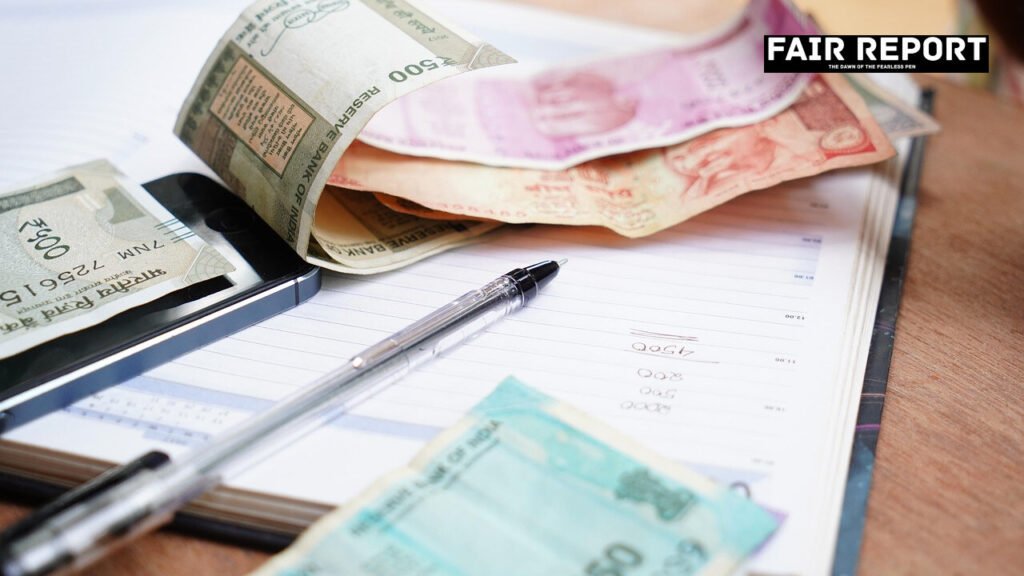
The rupee posted a “rupee best week” as the Reserve Bank of India tightened market curbs, sparking a rally that lifted the currency to its strongest weekly close in seven months. Traders welcomed the move, noting that the policy shift helped steady the market amid global volatility.
Key takeaways
- RBI’s curbs on foreign exchange trading curbed speculative outflows.
- Rupee gained roughly 2% over the week, its best performance since early 2026.
- Fundamental factors such as narrowing current‑account deficit supported the rally.
- The rupee’s strength was also driven by a decrease in imports and an increase in exports, which helped to reduce the trade deficit.
RBI curbs drive rupee best week
The central bank’s recent restrictions on short‑term foreign‑exchange positions limited large speculative bets against the rupee. By tightening the allowable exposure, the RBI reduced pressure on the currency, allowing it to recover against the dollar.
Market reaction and trading volumes
Domestic brokers reported a surge in buying interest after the curbs were announced. Turnover in the spot market rose, and the rupee’s forward premium narrowed, indicating reduced panic among investors.
Fundamentals behind the rally
Beyond the policy move, the rupee benefited from a modest improvement in the current‑account balance and stable foreign‑direct investment flows. The improvement in the current account balance was driven by a decrease in imports and an increase in exports, which helped to reduce the trade deficit. For more information on the current account balance, visit the Reserve Bank of India website.
Risks and outlook
While the week was positive, the currency remains vulnerable to global risk sentiment, especially any escalation in oil prices or a sharp US dollar rally. The RBI may need to fine‑tune its measures if speculative pressure returns, in order to maintain the stability of the currency.
What’s next for the rupee?
Investors should monitor upcoming RBI policy reviews and external economic indicators. Keeping an eye on trade data and global market cues will help gauge whether the rupee can maintain its momentum beyond this “rupee best week”. The rupee’s performance will also depend on the government’s fiscal policy and the overall health of the economy.
Impact on the economy
The rupee’s strength will have a positive impact on the economy, as it will make imports cheaper and increase the competitiveness of Indian exports. This will help to boost economic growth and reduce inflation. However, a strong rupee can also make it difficult for Indian exporters to compete with other countries, which could lead to a decrease in exports.
Conclusion
the rupee’s strong performance this week is a positive sign for the economy. The RBI’s curbs on foreign exchange trading and the improvement in the current account balance have helped to stabilize the currency. However, the rupee remains vulnerable to global risk sentiment, and the RBI may need to fine‑tune its measures to maintain stability. Investors should monitor upcoming RBI policy reviews and external economic indicators to gauge the rupee’s future performance.
Future outlook
The future outlook for the rupee is positive, as the economy is expected to grow at a rapid pace. The government’s fiscal policy and the overall health of the economy will play a crucial role in determining the rupee’s performance. Investors should keep a close eye on trade data and global market cues to gauge the rupee’s future performance. The rupee’s strength will also depend on the RBI’s monetary policy, which will be influenced by the inflation rate and the overall health of the economy.
Monetary policy
The RBI’s monetary policy will play a crucial role in determining the rupee’s performance. The RBI will need to balance the need to control inflation with the need to support economic growth. A tight monetary policy can help to control inflation, but it can also lead to a decrease in economic growth. On the other hand, a loose monetary policy can lead to an increase in economic growth, but it can also lead to higher inflation.
Fiscal policy
The government’s fiscal policy will also play a crucial role in determining the rupee’s performance. The government will need to balance the need to reduce the fiscal deficit with the need to support economic growth. A reduction in the fiscal deficit can help to reduce the risk of inflation, but it can also lead to a decrease in economic growth. On the other hand, an increase in government spending can lead to an increase in economic growth, but it can also lead to higher inflation.
Global market cues
Global market cues will also play a crucial role in determining the rupee’s performance. The rupee will be influenced by the performance of other currencies, such as the US dollar and the euro. A strong US dollar can lead to a decrease in the value of the rupee, while a weak US dollar can lead to an increase in the value of the rupee. Investors should keep a close eye on global market cues to gauge the rupee’s future performance.
Trade data
Trade data will also play a crucial role in determining the rupee’s performance. The rupee will be influenced by the trade deficit, which is the difference between the value of imports and exports. A decrease in the trade deficit can lead to an increase in the value of the rupee, while an increase in the trade deficit can lead to a decrease in the value of the rupee. Investors should keep a close eye on trade data to gauge the rupee’s future performance.
Conclusion
the rupee’s performance will depend on a variety of factors, including the RBI’s monetary policy, the government’s fiscal policy, global market cues, and trade data. Investors should keep a close eye on these factors to gauge the rupee’s future performance. The rupee’s strength will have a positive impact on the economy, as it will make imports cheaper and increase the competitiveness of Indian exports. However, a strong rupee can also make it difficult for Indian exporters to compete with other countries, which could lead to a decrease in exports.
Frequently Asked Questions
What caused the rupee's recent strength?
The RBI's tighter foreign‑exchange curbs limited speculative outflows, and improving fundamentals like a better current‑account balance supported the rise.
How much did the rupee gain during the week?
The rupee appreciated by roughly 2% over the week, its strongest gain in seven months.
Will the RBI maintain the new curbs?
The RBI has indicated that the curbs are a temporary measure and will review their impact in upcoming policy meetings.
What risks could reverse the rupee's gains?
A sharp rise in the US dollar, higher oil prices, or renewed speculative pressure could weaken the rupee.
How can investors protect themselves?
Monitoring RBI announcements, global risk sentiment, and India's trade data can help investors adjust their positions.